Why uKugcaba Was My Beginning
Every body of work has an origin story.
Mine began long before I ever touched clay.
In 2020, I found myself navigating one of the most difficult periods of my life. I had recently moved from Durban to Johannesburg, carrying the uncertainty that comes with starting over in a new city. Shortly afterwards, the COVID-19 pandemic brought the world to a standstill. Like many people, I experienced isolation in ways I had never imagined. I was away from the familiarity of home, processing the end of a significant relationship, and learning how to exist in a city that still felt unfamiliar.
I was emotionally bruised. I wasn’t searching to become a ceramic artist. I was searching for healing.
The Results
“Long before passports, profiles, and surnames, the body itself carried history.”
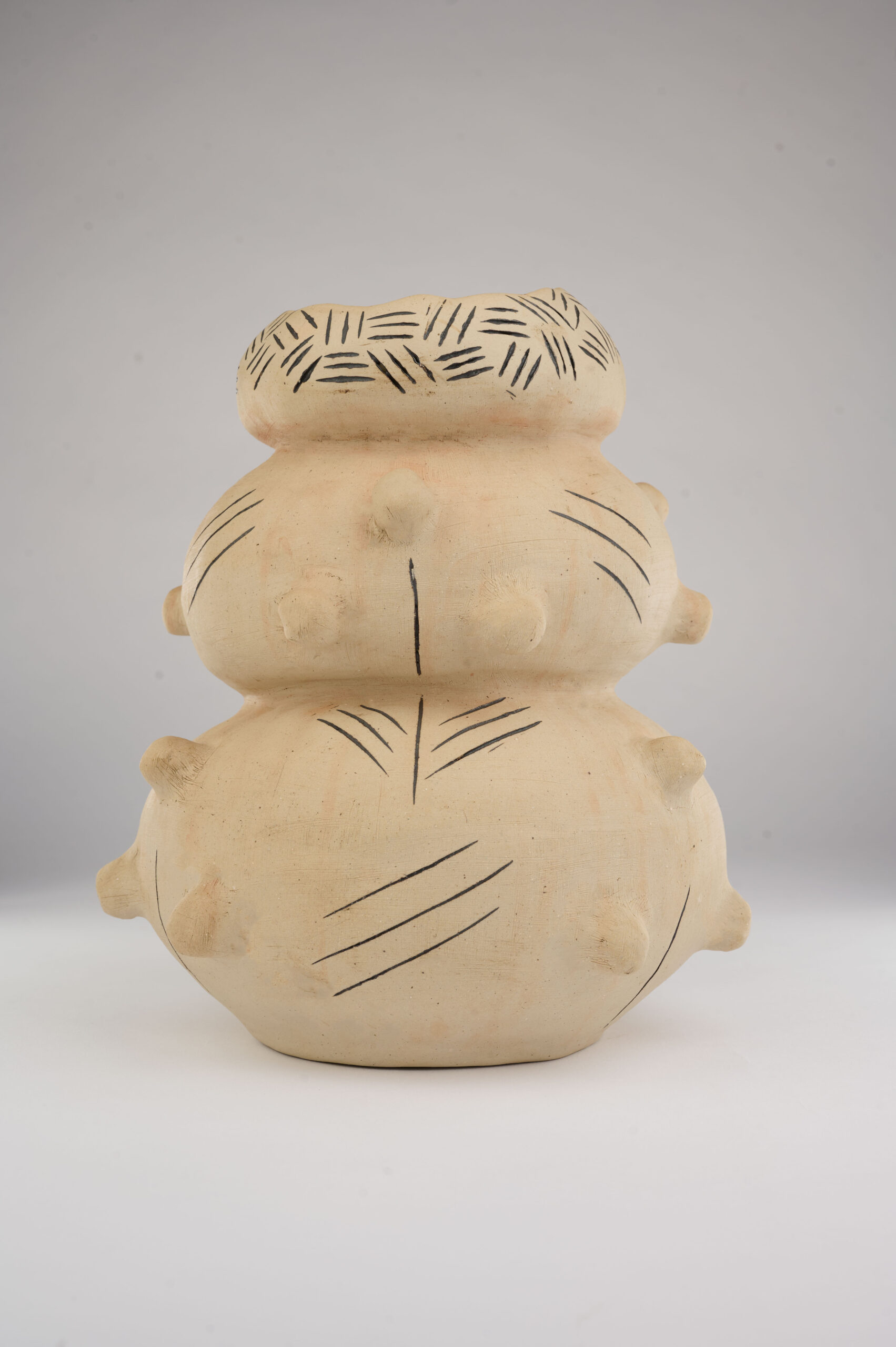
Every Mark Had a Question
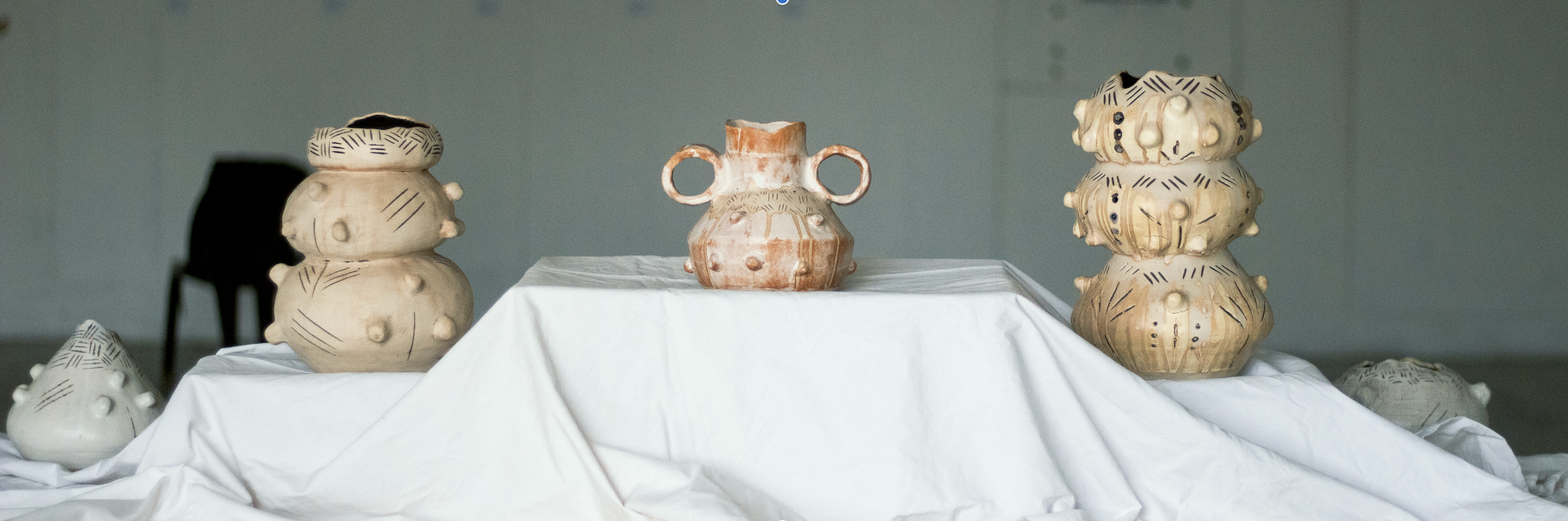
These were among the first ceramic pieces I ever made. I wasn’t trying to create a collection.
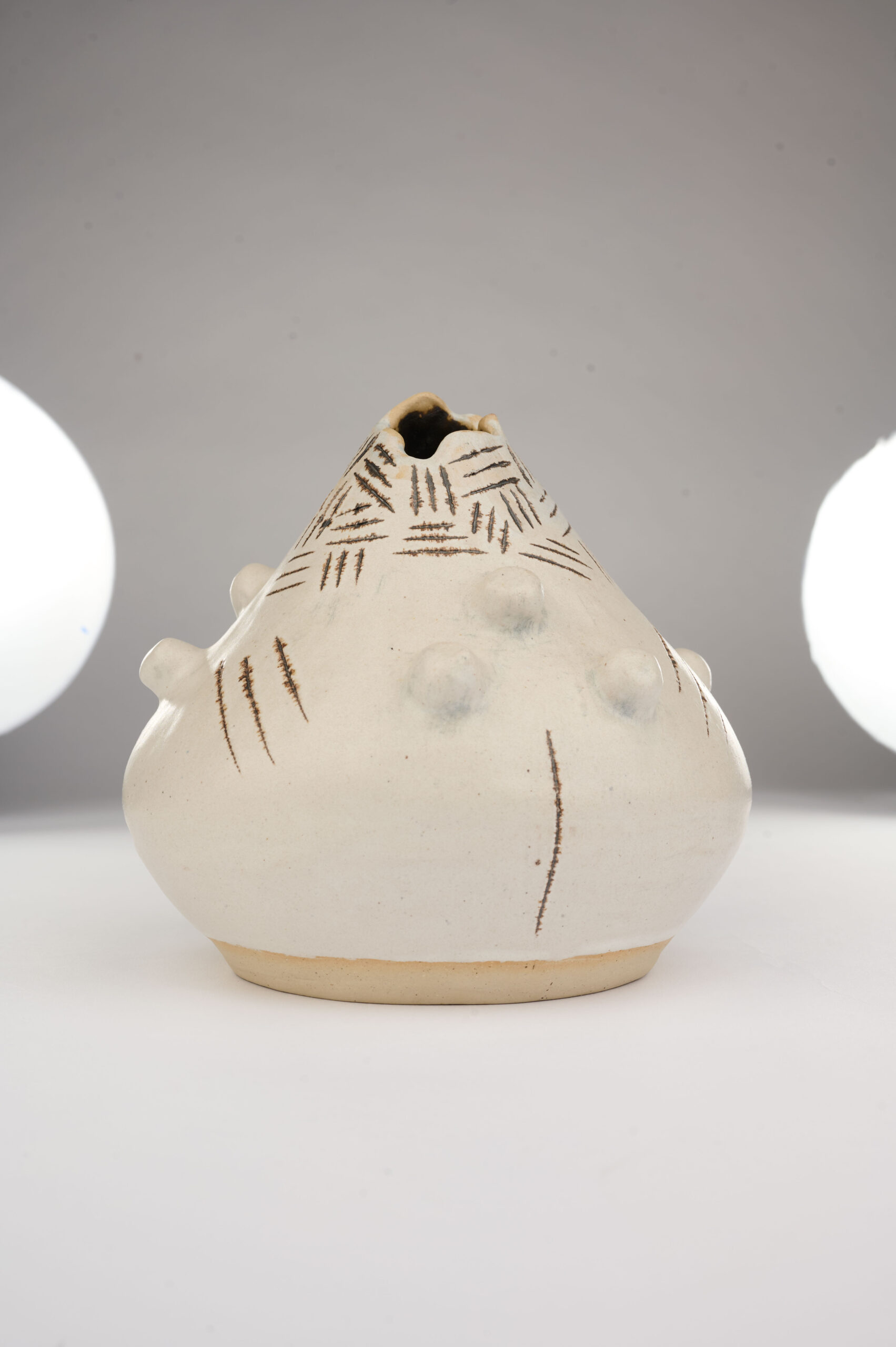
The Practice of Becoming
In those early days, I stopped chasing perfect outcomes and became fascinated by process.
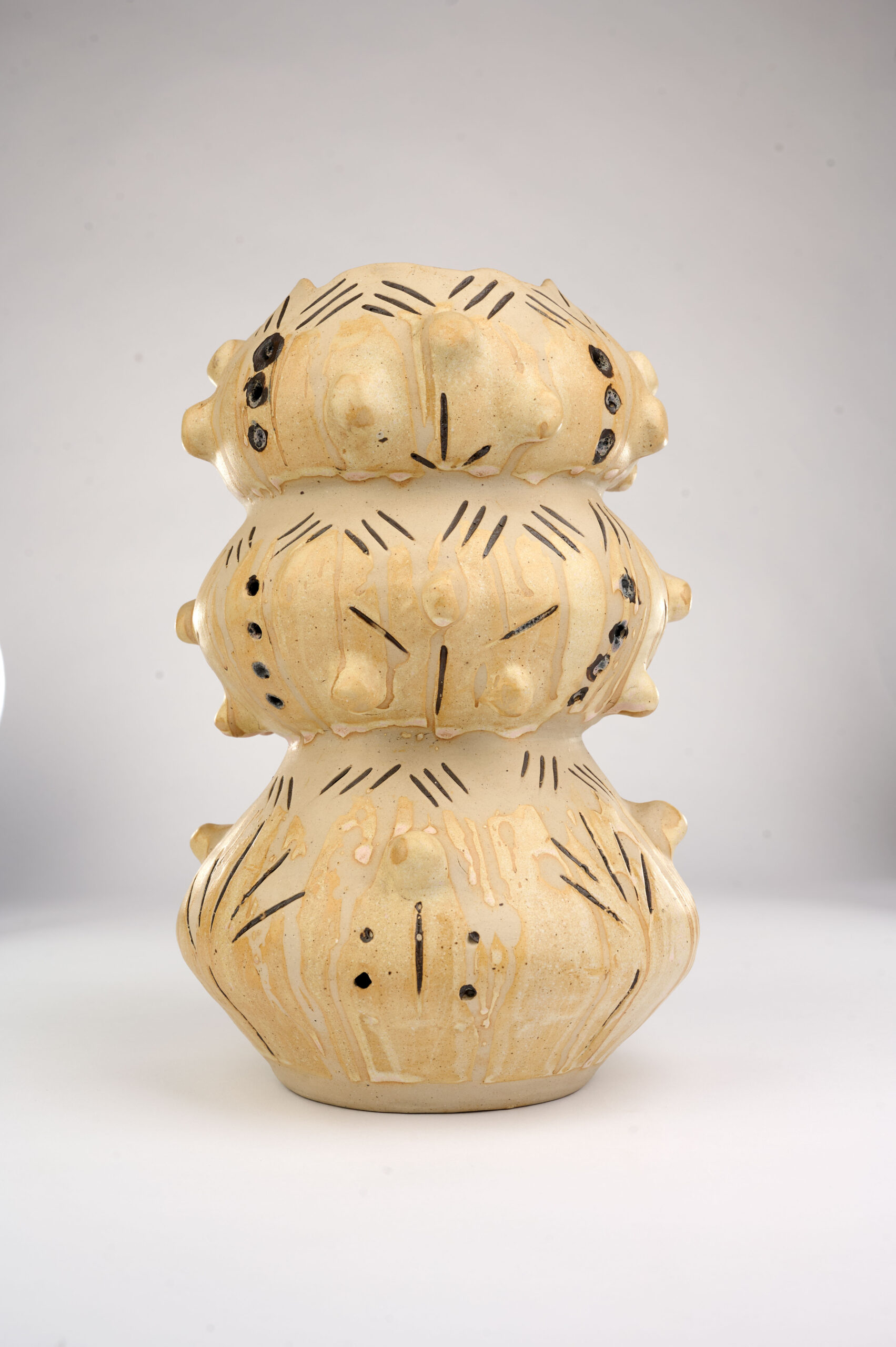
Before There Was Bumba
Before there was a clear artistic direction, there was simply a person searching for healing.
That curiosity led me to uKugcaba.
When restrictions began to ease, I decided to find a hobby, something that would simply help me reconnect with myself. That search led me to a ceramics studio, Kim Sacks School of Ceramics. At the time, I knew almost nothing about clay. I only knew that I needed something to occupy my hands while my heart found its way forward. I planned to experiment for just 3 months, but I got bitten by the ceramic bug, and it became years.
What I didn’t realise then was that clay was quietly teaching me how to heal.
Working with clay demanded patience. It reminded me that transformation cannot be rushed. It asked me to begin again after every collapse, to accept imperfections, and to understand that strength often comes through rebuilding rather than resisting. The studio became a place of stillness, reflection, and restoration.
As my relationship with ceramics deepened, another journey began.
I became curious about African healing traditions, spirituality, rituals, and the ways our ancestors understood wellness long before modern psychology gave language to emotional wellbeing. Growing up in a Christian household, a foundation I continue to value and respect, I realised there were many aspects of African culture and indigenous knowledge that I had never fully encountered. Rather than seeing these traditions in opposition, I approached them with curiosity, asking how they have shaped our understanding of identity, community, and healing.
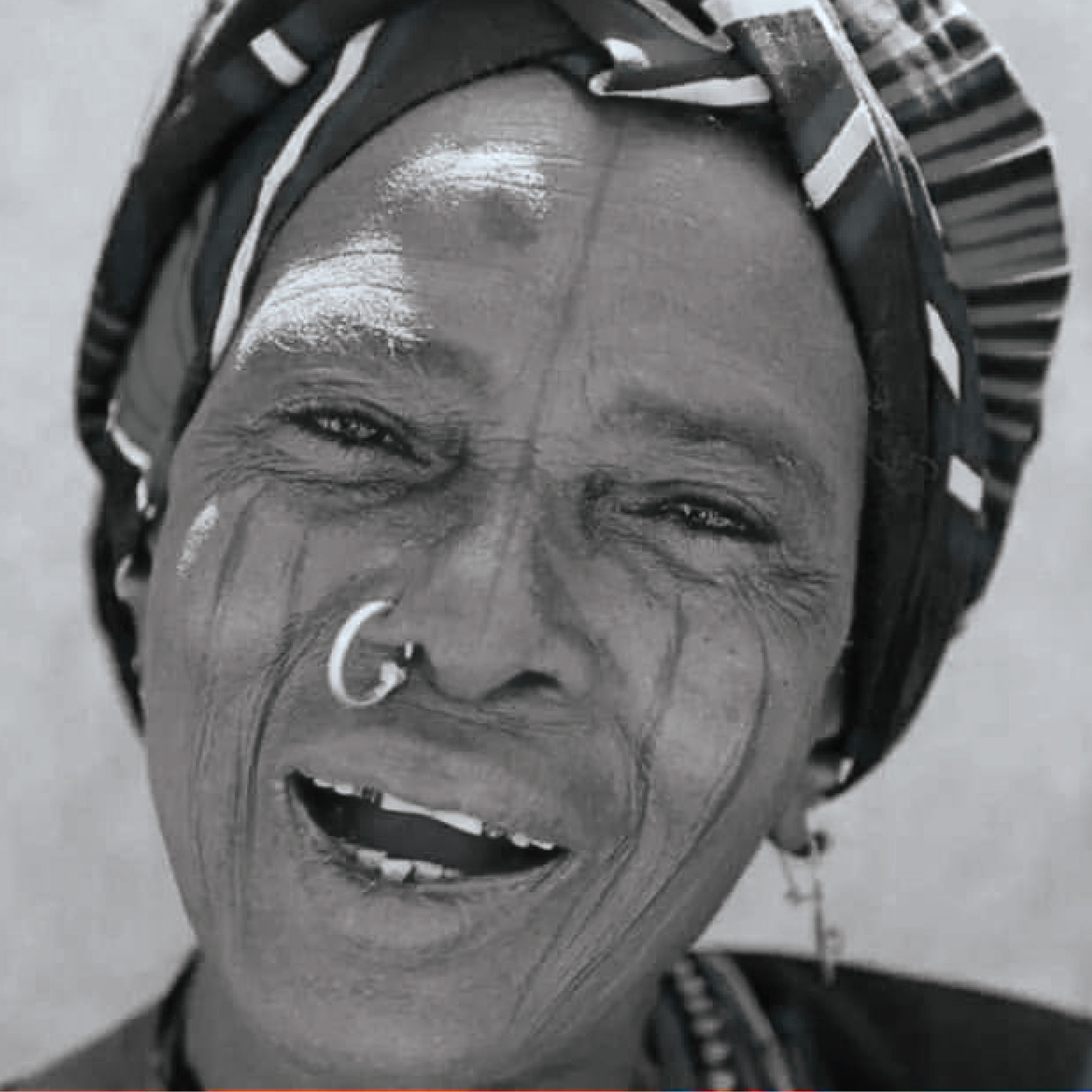
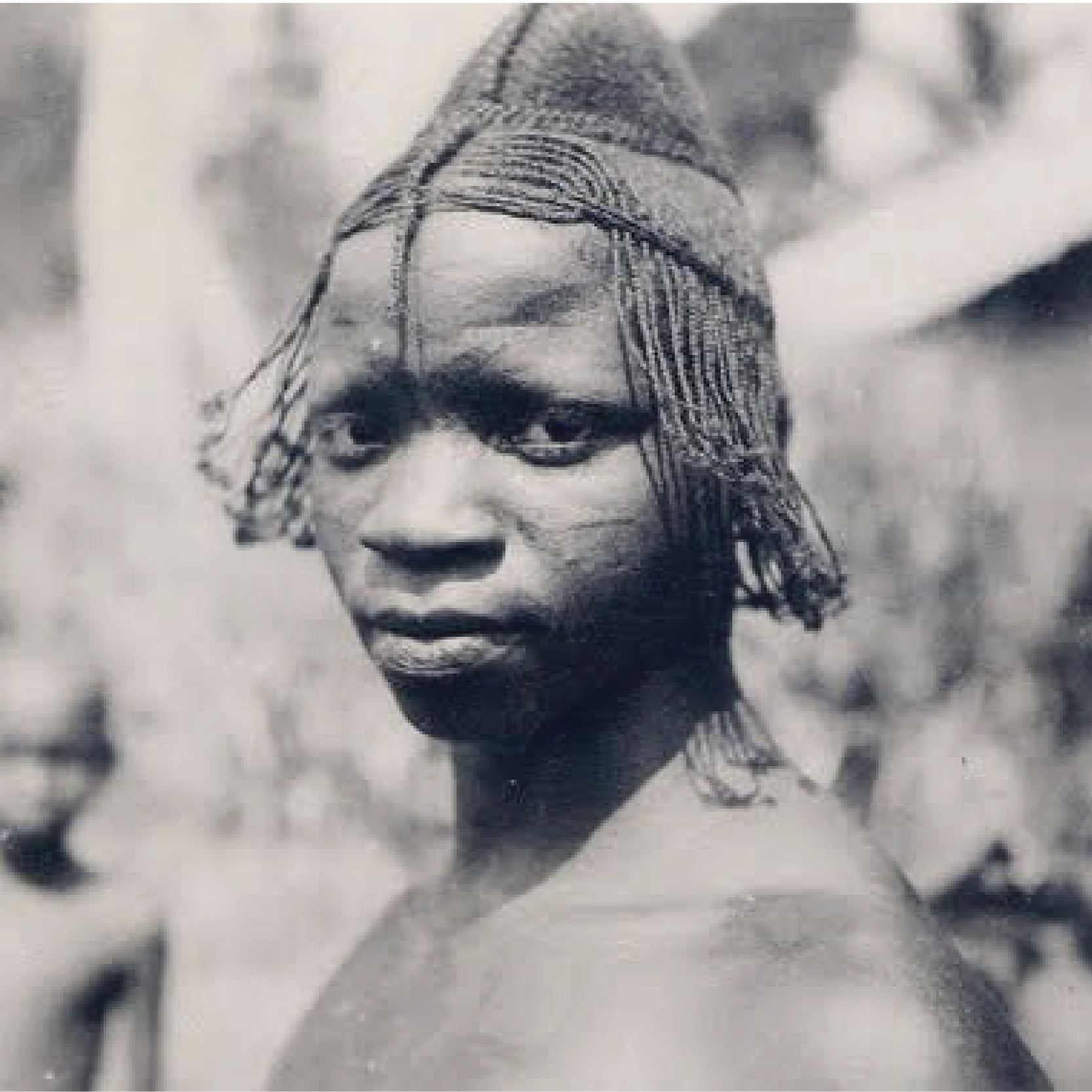
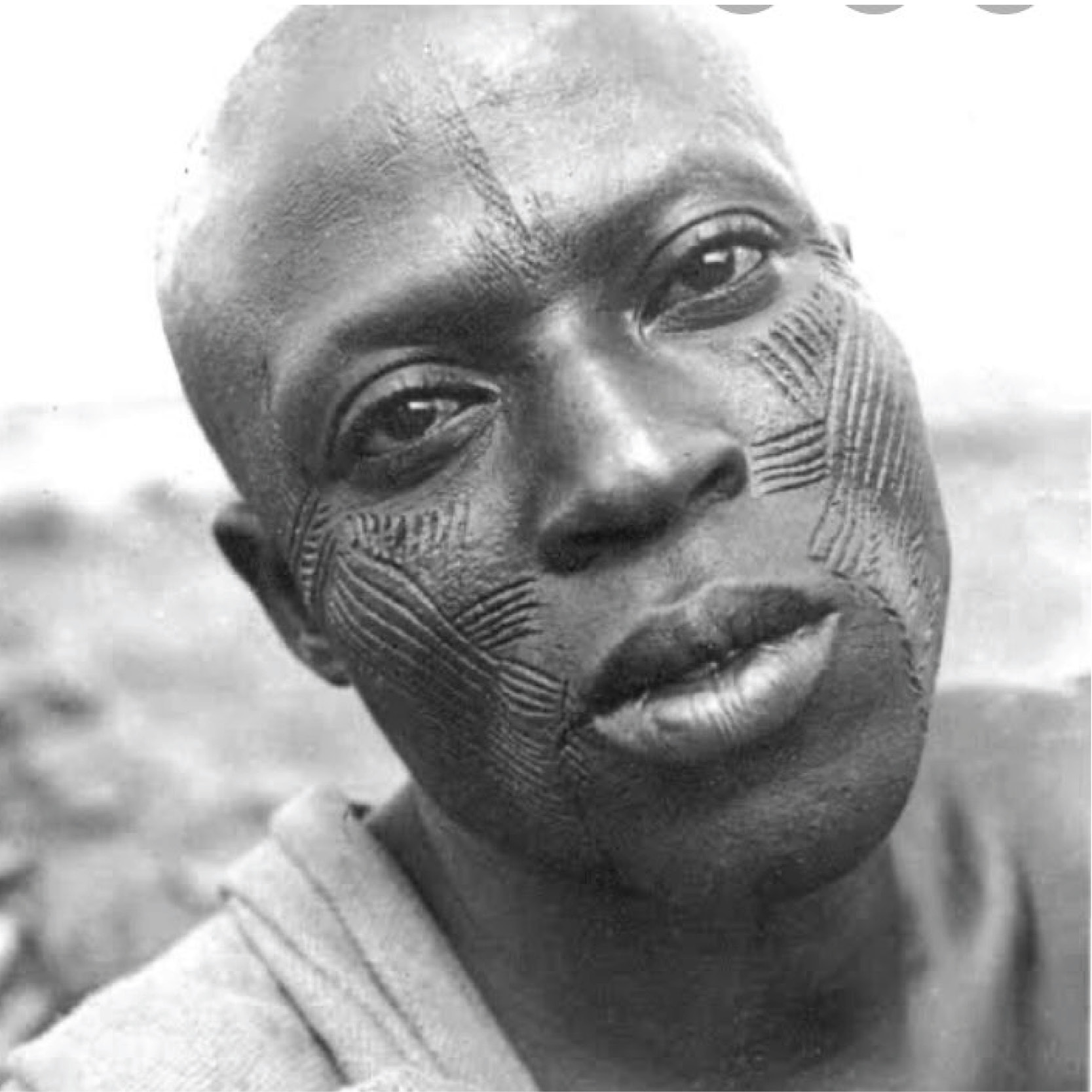
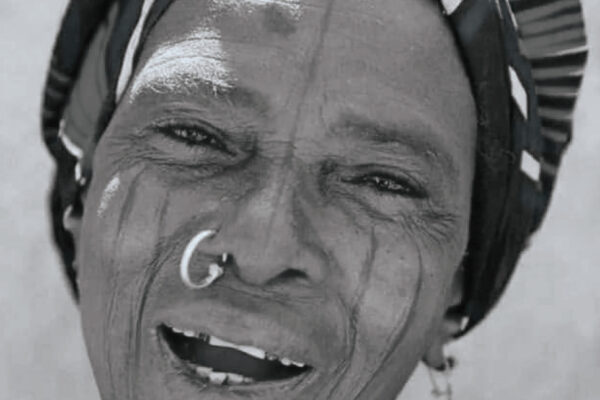
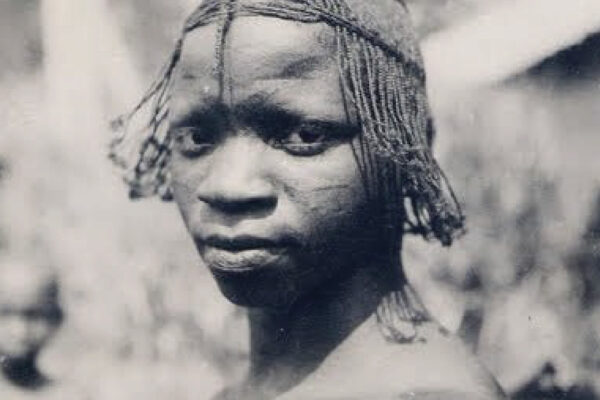
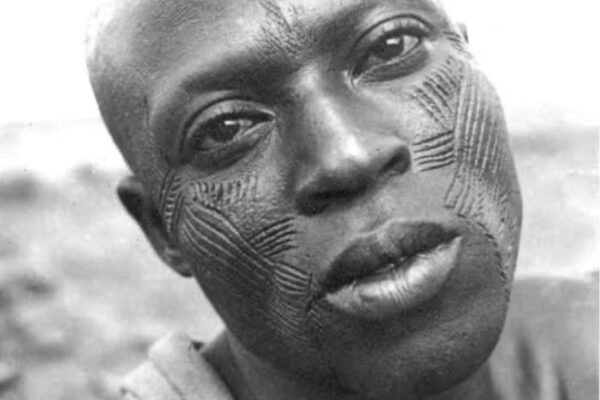
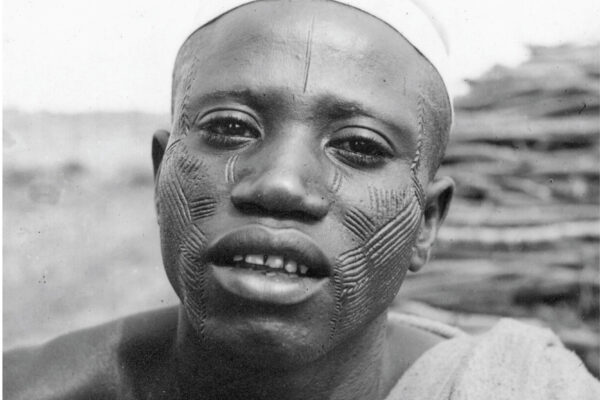
As I researched scarification, I discovered that in some African communities, intentional markings on the body carried meanings far beyond appearance. They could represent healing, protection, rites of passage, beauty, belonging, or social identity. In parts of Southern Africa, practices associated with ukugcaba were also connected to indigenous healing, where small incisions allowed traditional medicines to be applied directly to the body. These practices varied widely between communities, and they should never be understood as universal across all African cultures. Yet what fascinated me was the philosophy behind them: that the body itself could become a place of remembrance, resilience, and transformation.
Ukugcaba, also known as ukuchaza, or ukusika, or ukulokotha are defined as a method of administering or introducing traditional medicine into the body as a form of treatment for a condition. uKugcaba is an African practice; its roots are deeply entrenched in African traditional medicine and history.
The Body as a Living Archive
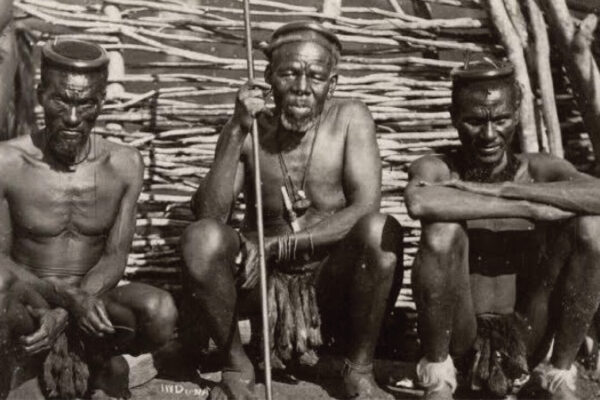
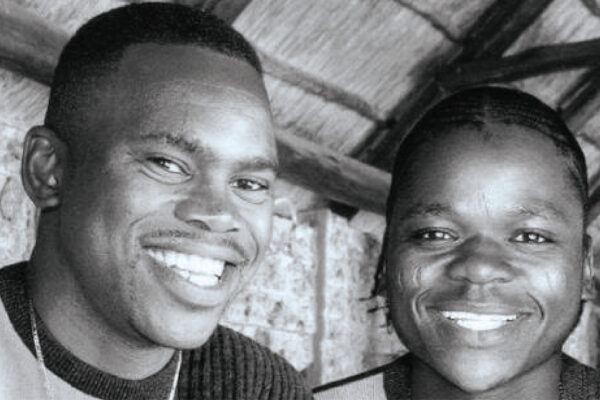
Across many African societies, the human body has long served as a living archive. Before written records became widespread and long before identity documents existed, people communicated who they were through language, dress, adornment, hairstyles, jewellery, and in some communities, scarification.
Known in isiZulu as uKugcaba, scarification is far more than the creation of decorative marks upon the skin. Historically, it has functioned as a language of identity, healing, beauty, belonging, protection, remembrance, and spiritual connection. While its meanings and methods differed across communities and regions, scarification reflected deeply held cultural values and ways of understanding the body.
This journal explores the cultural significance of uKugcaba and how its philosophy continues to influence my ceramic practice.

What can clay teach us about remembering ourselves?
Objects preserve memory. So do bodies.
Across generations, cultural knowledge has often been transmitted through oral traditions, ceremonies, songs, and material culture. Scarification formed part of this broader system of remembering.
Unlike written documents stored in libraries, these stories travelled with the individual. Every mark became evidence of experience, identity, and community.
The body itself became history.
At the same time, I recognised that identity in South Africa has never rested on scarification alone. Clan names (izibongo), praise poetry (izithakazelo), beadwork, dress, hairstyles, language, and oral traditions have all served as powerful expressions of lineage and belonging. Scarification was one thread within a much larger tapestry of cultural identity.
I wasn’t interested in recreating historical scarification.
I was interested in understanding what the marks represented.
That question became the foundation of my first ceramic collection.
Instead of marking skin, I began marking clay.
Every incision became a conversation about memory.
Every carved line became a reflection on healing.
Every textured surface asked what it means to carry our stories with us.
Looking back, I realise that ceramics never simply became my artistic practice.
It became my teacher.
Through clay, I found healing. Through healing, I found research. Through research, I found a deeper connection to African culture, heritage, and the knowledge systems that continue to shape who we are today.
The uKugcaba collection was never about scarification alone.
It was about asking a question that continues to guide my practice:
What can clay teach us about remembering ourselves?
Source:
(Facebook Group) Facebook user/group. (n.d.). Post featuring historical images of scarification (uKugcaba) [Facebook post]. Facebook. Retrieved July 10, 2026, from https://www.facebook.com/groups/523396435442256/posts/1271986277249931/ Website Credit Source: Facebook Group post on historical scarification (uKugcaba). Retrieved 10 July 2026.
(Metro FM Facebook) Metro FM. (n.d.). Weird & Wonderful World of uKugcaba (facial incisions) [Photograph]. Facebook. Retrieved July 10, 2026, from https://www.facebook.com/metrofmsa/photos/ltp-weirdwonderful-world-of-ukugcaba-also-known-as-facial-incisions-do-you-have-/10156543010350842/ Website Credit Image courtesy of Metro FM Facebook page, Weird & Wonderful World of uKugcaba. Retrieved 10 July 2026.
Metropolitan Museum of Art. (n.d.). Belgian Congo (Bangala) [Postcard]. Art Resource, New York. https://www.metmuseum.org/ Website Credit: Unattributed. Belgian Congo (Bangala). Postcard. Collection of The Metropolitan Museum of Art. Image source: Art Resource, New York.
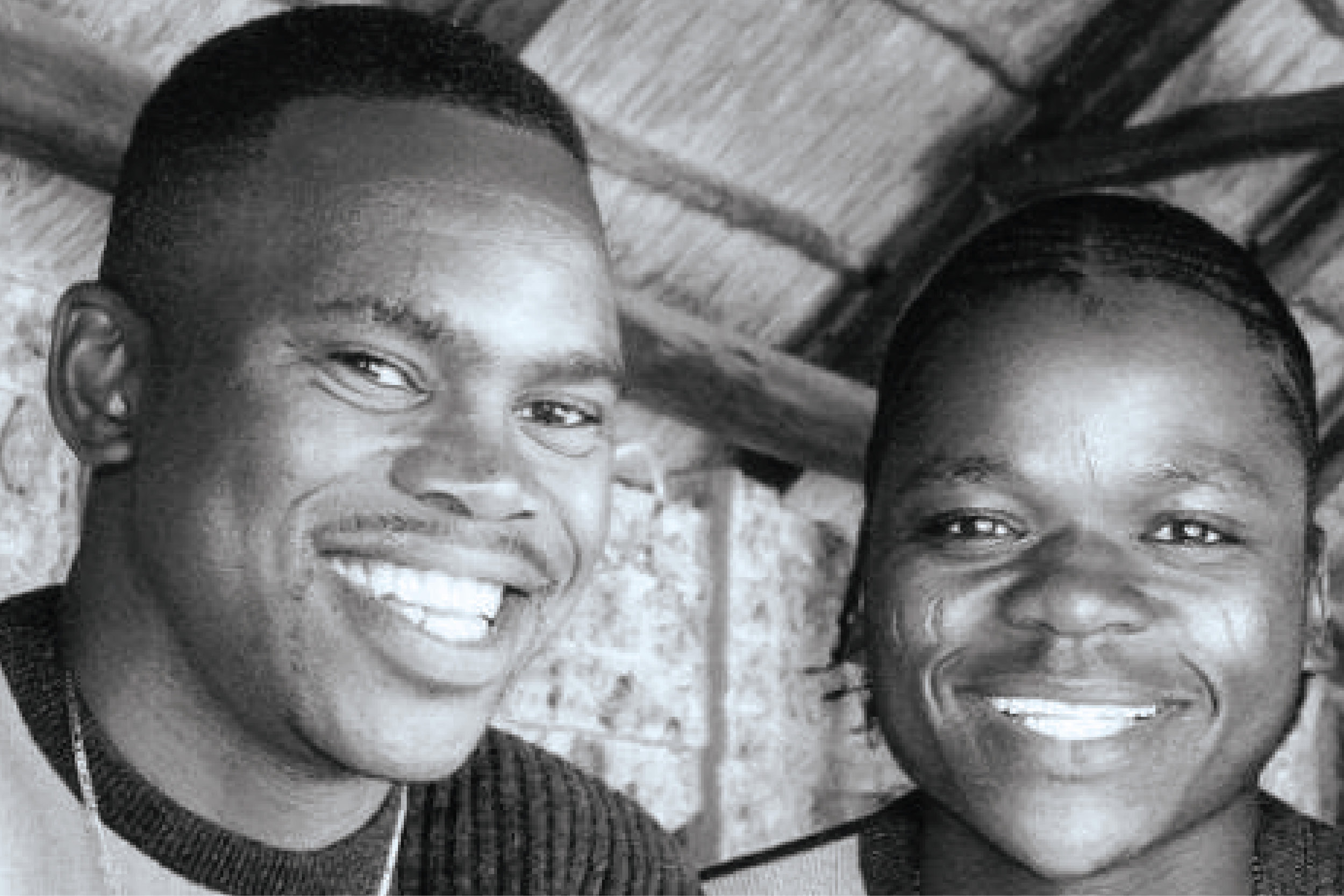
Photography by Ogorogile Nong
Photography by Zuzi Seoka